


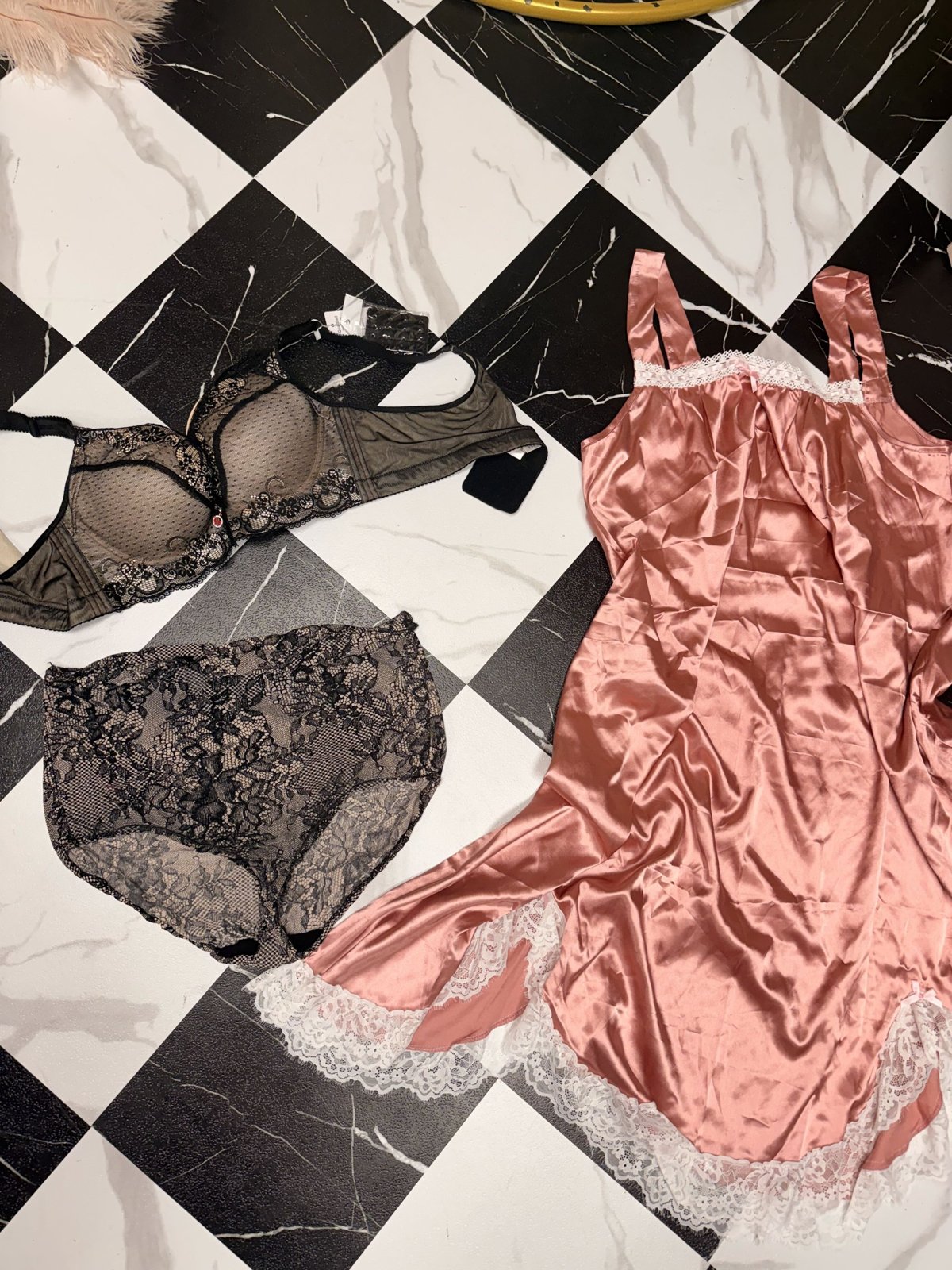
Every single week a woman walks into my Chicago studio, unzips her bag, pulls out a robe and says “I don’t know if this is silk or satin, I just liked it.”
Babe. Same. Most of the internet doesn’t know either, because half the “silk” robes online are polyester with a good publicist.
So here’s the short version before we get into it: silk is for your skin, satin is for the group photo. Silk breathes, feels like nothing, and makes you stand up straighter the second it hits your shoulders. Satin is shiny, cheap, machine washable, and looks perfect when six bridesmaids are wearing the same color. Both have a place. I’ll tell you exactly which one goes where.
TL;DR:
- Silk is a fiber (from an actual worm). Satin is a weave, and most satin robes are polyester. That one fact explains every difference below.
- Silk breathes and pulls moisture off your skin. Polyester satin does not, which is why it can feel sticky under studio lights or on a July wedding morning.
- Satin wins on price, color matching, and surviving the washing machine. Silk wins on feel, drape, and how it moves on camera.
- Spot real silk by the label (“100% silk” or “mulberry silk”), a momme number, and a price that makes you flinch a little.
- Buy one silk robe for you. Buy satin robes for the bridal party. Nobody in the photos will know the difference, but you will.
Satin vs Silk Robe: The Quick Comparison
Before you fall down a rabbit hole of product pages that all say “luxurious,” here is the cheat sheet I wish came stapled to every robe.
- What it is: Silk is a natural protein fiber spun by silkworms. Satin is not a fiber at all, it’s a weave, usually made from polyester, nylon, or rayon (and once in a while, silk).
- Breathability: Silk has a moisture regain around 11%. Polyester sits near 0.4%. That gap is why silk feels cool and satin feels clingy when the room gets warm.
- Price: Real silk robes live in “treat yourself” territory. Polyester satin is a fraction of that.
- Care: Silk wants a gentle hand wash or the dry cleaner. Polyester satin goes in the machine and does not care.
- On camera: Both shimmer under studio light. Satin’s uniform shine matches perfectly across a group. Silk’s drape moves like water on one person.
- Hair and skin: Both beat cotton for friction on a fresh blowout. Silk is gentler if you’re sleeping in it every night.
Pro Tip: Outfitting a bridal party or a group session? Satin. Every time. Your wallet and your color matching will both thank you.

What Silk Actually Is (and Why the Fiber Matters)
Real silk comes from the cocoon of the mulberry silkworm, which is why “mulberry silk” on a label is a good sign. Quality is measured in momme, a weight rating where a higher number generally means denser, more durable fabric (19 to 22 momme is the sweet spot for a robe).
That moisture number I mentioned, roughly 11% for silk vs 0.4% for polyester, is the whole reason silk feels like temperature control instead of a plastic bag. The smooth protein fibers also mean less friction on your hair and skin, so your glam survives the robe going on and off between sets.
The catch: silk wants hand washing or dry cleaning, hates direct sun, and the price tag does the talking about quality before you even touch it.
What Satin Actually Is (Plot Twist: It’s Not a Fabric)
Here is the thing nobody tells you at checkout: satin is a weave pattern, not a material. You can weave satin out of silk, polyester, nylon, or rayon, and almost every robe on the market uses polyester because it’s cheap to make and holds color like a dream.
That’s also why polyester satin doesn’t breathe. It physically cannot pull moisture off your skin the way silk does. Labels give it away if you know the code: a momme rating points to silk, a thread count points to synthetic satin.
For budget robes, matching bridesmaid sets, or anything that has to survive a wash cycle without a meltdown, satin earns its spot. I have a whole rack of it in my client closet for a reason.
How They Feel, Drape, and Photograph
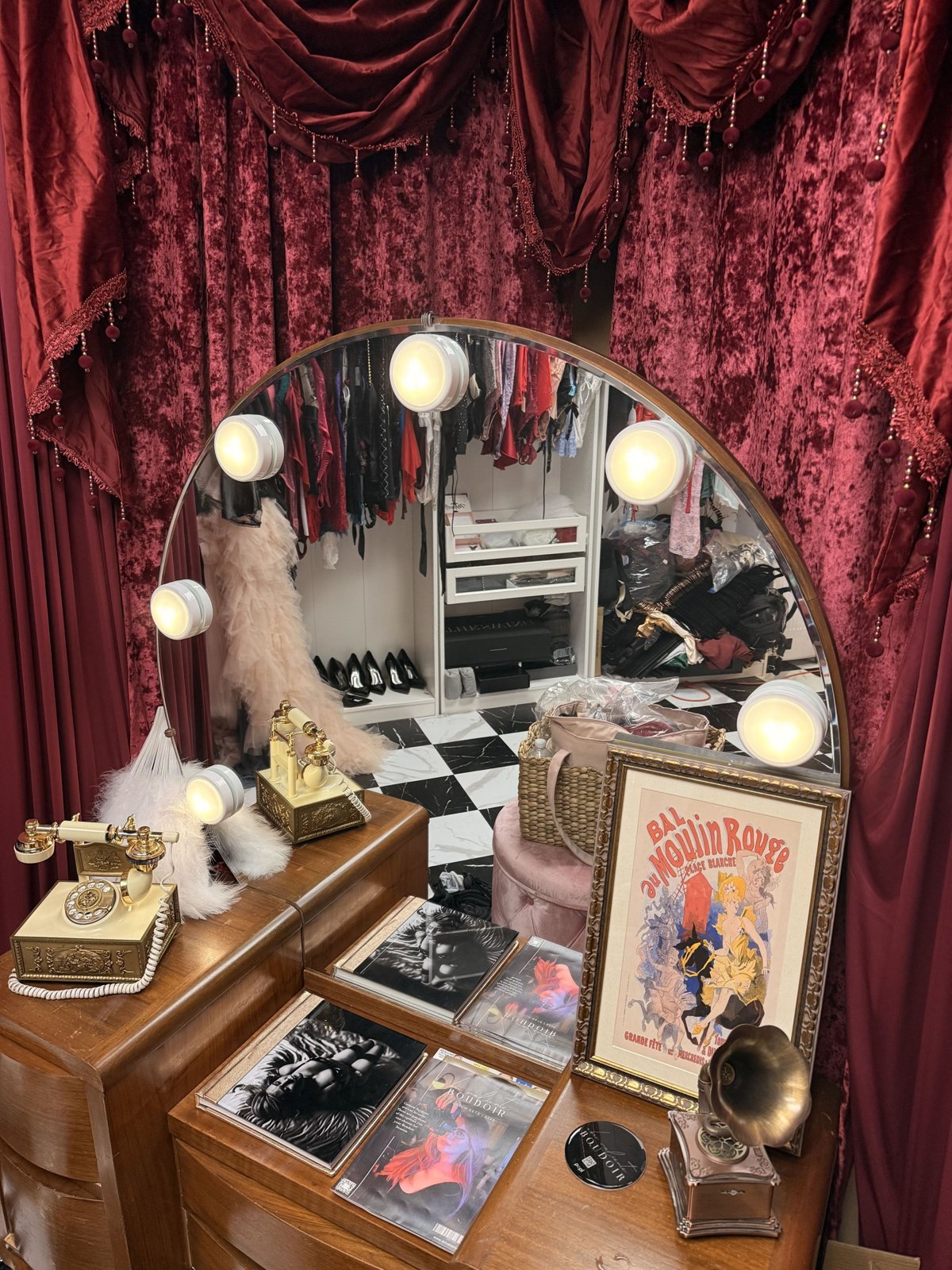
Silk drapes like it has somewhere to be. Soft, fluid, catching light in a way that reads expensive even in a still frame. Satin holds a stiffer, glossier shine that looks incredible under studio lighting because every robe in the frame reflects light exactly the same way.
That consistency is gold for group shots. Five bridesmaids in matching robes for getting ready photos? Satin, because the color and sheen stay identical across the whole line. One woman, solo, on my white couch with the chandeliers on? Silk. The drape photographs like a slow exhale.
Friction matters here too. Rough fabric tugs at a fresh blowout and smudges makeup. Silk and satin both glide instead of grab, which is why my hair and makeup artist has never once complained about a robe.

How to Spot Real Silk vs Polyester Satin
Do not let a shiny product photo talk you into paying silk money for polyester in a nice font.
- Look for the exact words “100% silk” or “mulberry silk.” Not “satin,” not “silky feel,” not “silk touch.”
- Check for a momme rating. No momme number usually means no silk.
- Do the price sanity check. Real silk is never cheap. A $29 “silk” robe is a red flag with a sash.
- The feel test in person: real silk shimmers on both sides. Synthetic satin has one glossy face and one dull back.
- Read the care tag. “Dry clean or hand wash only” leans silk. “Machine washable” is almost always polyester.
- Check the return policy before you buy online. Fiber content complaints are common enough that a flexible return window is worth it.
Care, Durability, and What It Actually Costs to Own
Silk costs more up front because the fiber, the harvesting, and the weaving are all more work than pumping out polyester. That price follows you home. Silk wants hand washing or dry cleaning, stays out of the sun, and will snag on a ring or a rough surface if you’re careless.
Polyester satin is the low maintenance cousin. Toss it in the machine, skip the special detergent, and it holds up to years of lounging.
Neither one loves a rough spin cycle, so a mesh laundry bag protects both. Hang your robe instead of folding it (crease lines become permanent), and keep it away from anything with a clasp or a zipper.
Which Robe Should You Actually Buy?
- Everyday, on your skin, for hours: Silk. The breathability difference is real and you’ll feel it the first hot night.
- Bridal party: Polyester satin. Matching color, matching shine, and six robes without a second mortgage. (Planning bridal boudoir too? Bring the satin robe, it’s the perfect getting ready shot.)
- Budget everyday: Polyester satin. Machine washable, forgiving, totally fine for coffee and doom scrolling.
- A gift for someone you love: Silk. It unwraps like a genuine luxury item and that first touch moment matters.
- Want both? One silk robe for you, satin for the group. Nobody needs to know the price difference and everybody wins.
Studio Notes: What I Actually Reach for on Shoot Day
I have watched more women shrug into a robe before a session than I can count, and here is what I’ve noticed: the silky ones make people stand up straighter. Something about that fabric sliding over your shoulders flips a switch. One second you’re nervous, the next you’re glowing and asking if we can do one more look.
For solo sessions I reach for robes that drape and catch light, because they photograph like a whisper of luxury before the real magic starts. For group shoots and bridal parties, matching satin makes everyone look like they belong together. Shiny, cohesive, camera ready.
But the real assignment is this: wear whatever makes you feel unstoppable when the glam chair spins you around. If you don’t own it yet, my client closet does. Bring the robe you love, or borrow one of mine, and come see what a boudoir session actually feels like. Book your consult and we’ll talk robes, lighting, and everything in between.

FAQ
Is silk or satin better for a robe?
Silk is better for comfort, breathability, and wearing against your skin for hours. Satin (usually polyester) wins on price, color matching, and machine washable convenience.
What is the best fabric for a robe?
For all day or overnight comfort, silk, because it pulls moisture off your skin. For matching group robes or a budget pick, polyester satin is the practical choice.
Which is better, silk or satin?
Neither is universally better. Silk is a natural fiber prized for feel and breathability. Satin is a weave (often synthetic) valued for shine, consistency, and price.
Is satin or silk better for hot weather?
Silk. Its natural fiber moves moisture away from your skin far better than polyester satin, which tends to trap heat against your body.
What robe should I bring to a boudoir session?
Whatever makes you feel like the main character. Silk photographs beautifully solo, satin is perfect for group and getting ready shots, and if you don’t have either, my client closet has you covered.
Sources
- What Is the Difference Between Silk and Satin, Britannica
- Silk vs Satin, Natuclothes
- Silk robe vs satin robe, SILKSILKY
- Real Silk Robe vs. Satin, EatHealthy365
- Moisture properties of silk fibers, PMC

